5 min readGuidesInvalid Date
How to Spot Fake Gold: Professional Authentication Tips
Learn the telltale signs of fake gold and understand the professional testing methods used to authenticate precious metal jewelry.
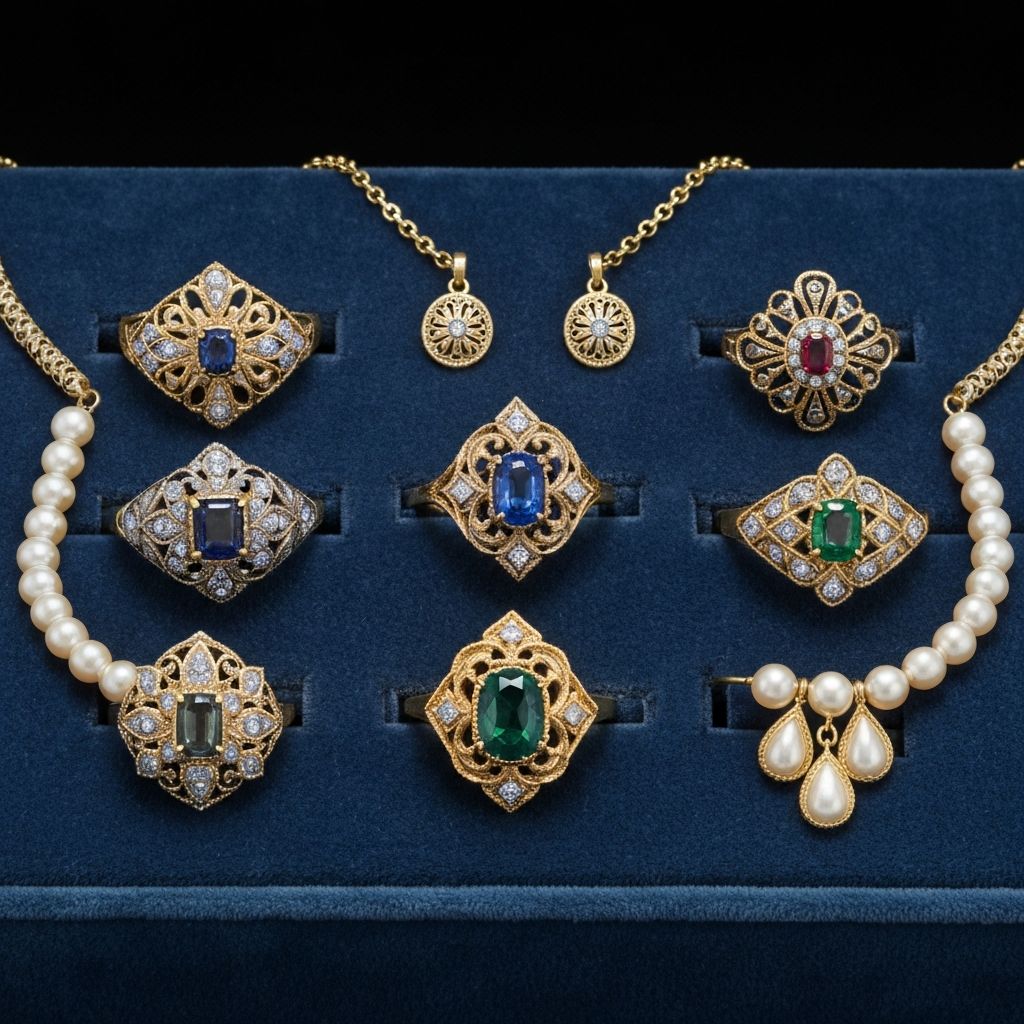
With gold prices at historic highs, counterfeit gold has become increasingly sophisticated. Here's how to identify real gold and understand professional authentication methods.
## Visual Inspection
**Check for Hallmarks**
- Authentic gold jewelry should have stamps: 375, 585, 750, 916, 999
- Look inside rings, on clasps, or backs of earrings/pendants
- Beware: Hallmarks can be faked, so don't rely solely on them
**Color Consistency**
- Genuine gold maintains consistent color throughout
- Look for greenish or grayish tints (possible copper base)
- Check for color differences at wear points
**Wear Patterns**
- Real gold doesn't tarnish or discolor
- Fake gold may show green oxidation or flaking
- High-wear areas reveal base metals on plated items
## Simple At-Home Tests
**Magnet Test**
- Gold is not magnetic
- If a strong magnet attracts your jewelry, it's not solid gold
- Note: Some gold-plated items have non-magnetic bases
**Ceramic Test**
- Drag jewelry across unglazed ceramic
- Real gold leaves a gold streak
- Fake gold leaves a black or dark mark
- Warning: This can scratch your piece
**Vinegar Test**
- Place item in white vinegar for 15 minutes
- Real gold won't change color
- Fake gold may discolor or show green tints
**Float Test**
- Real gold is dense and sinks immediately
- Most fakes float or sink slowly
- Not definitive alone—other dense metals exist
## Professional Testing Methods
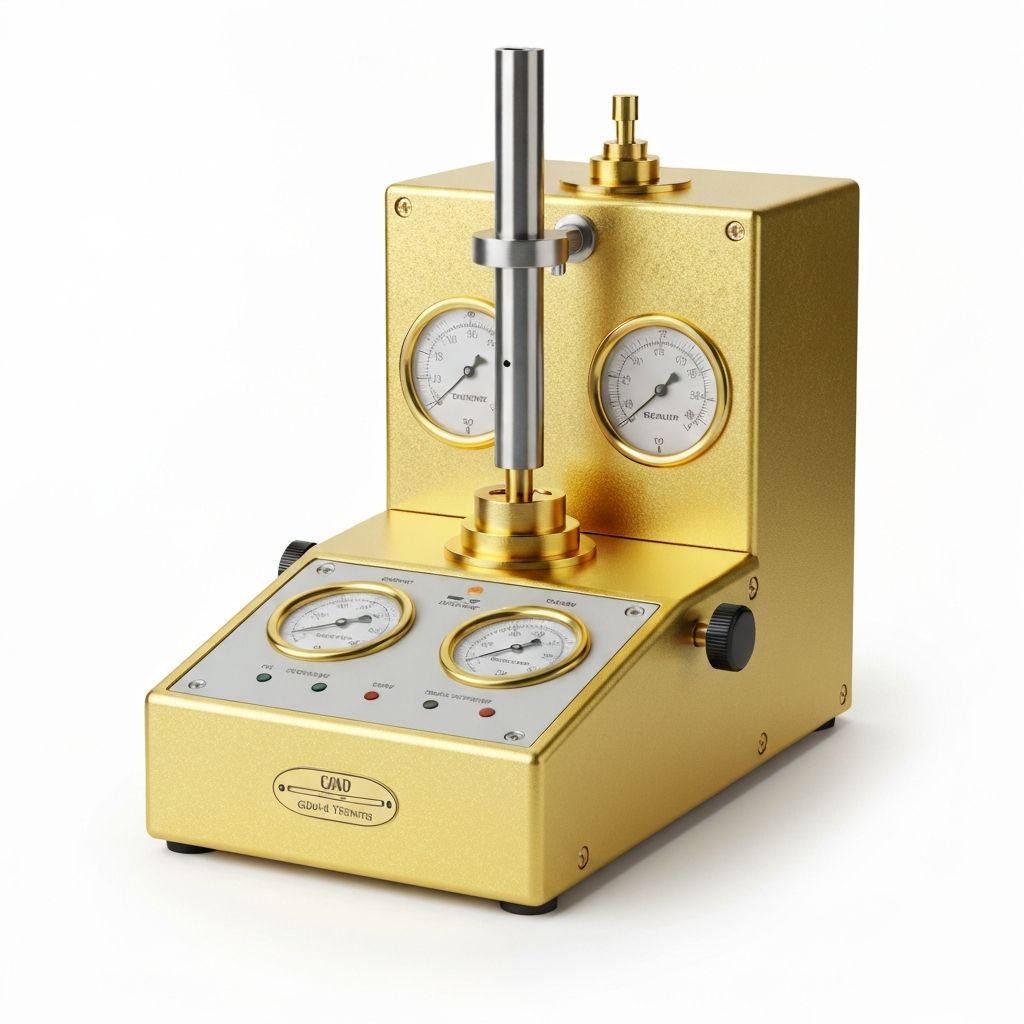
**XRF Analysis (X-Ray Fluorescence)**
- Non-destructive testing
- Provides exact purity percentage
- Industry gold standard
- Used by Aurelia and professional buyers
**Acid Testing**
- Applies nitric acid to small scratch
- Different acids for different purities
- Color reaction indicates gold content
- Mildly destructive method
**Electronic Gold Testers**
- Measures electrical conductivity
- Quick preliminary testing
- Can be fooled by sophisticated fakes
- Best combined with other methods
**Specific Gravity Test**
- Measures density precisely
- Requires specialized equipment
- Very accurate for pure gold
- Complex for jewelry (alloyed metals)
## Red Flags for Fake Gold
**Too Good to Be True Pricing**
- Significantly below market value
- "Gold" sold by weight at implausible prices
**Poor Quality Markings**
- Stamps look irregular or poorly defined
- Wrong stamp formats (e.g., "14KGP" means gold plated)
- No stamps on supposedly high-value pieces
**Suspicious Sellers**
- Unknown online sellers
- Lack of business credentials
- No return policy or guarantees
- Pressure to buy quickly
**Physical Red Flags**
- Overly lightweight for size
- Tarnishing or discoloration
- Green marks on skin
- Flaking or peeling finish
## Common Fake Gold Schemes
**Gold Plating**
- Thin gold layer over base metal
- May be marked "GF" (gold filled) or "GP" (gold plated)
- Has some gold content but much less value
**Gold Tungsten**
- Tungsten core with gold plating
- Same density as gold (hard to detect)
- Requires XRF or drilling to identify
**Brass or Bronze**
- Copper alloys that look like gold
- Tarnish and discolor quickly
- Magnetic in some cases
## Protecting Yourself
**When Buying:**
- Purchase from reputable dealers
- Request authenticity certificates
- Ask about testing methods used
- Keep all receipts and documentation
**When Selling:**
- Use licensed, established buyers
- Insist on testing in your presence
- Get multiple quotes for high-value items
- Understand testing methods used
**General Advice:**
- Document your jewelry with photos
- Keep purchase records
- Have valuable pieces professionally appraised
- Regular inspections for wear or damage
## Aurelia's Authentication Process
We use XRF technology for non-destructive, accurate testing:
1. **Visual inspection** of hallmarks and quality
2. **XRF analysis** determines exact gold purity
3. **Precise weighing** on calibrated scales
4. **Clear explanation** of findings
5. **Written quote** based on actual gold content
Our transparent process ensures you understand exactly what you're selling and receive fair payment based on genuine gold content.
## The Bottom Line
While some at-home tests can provide clues, professional testing is essential for valuable items. Reputable gold buyers like Aurelia invest in proper equipment and training to protect both buyers and sellers from fraud.
If you have concerns about authenticity, professional testing is always worth the peace of mind—especially before making significant purchase or sale decisions.
Share this insight: